Women's Hiking Pants
Women's Hiking Pants
Sort by:


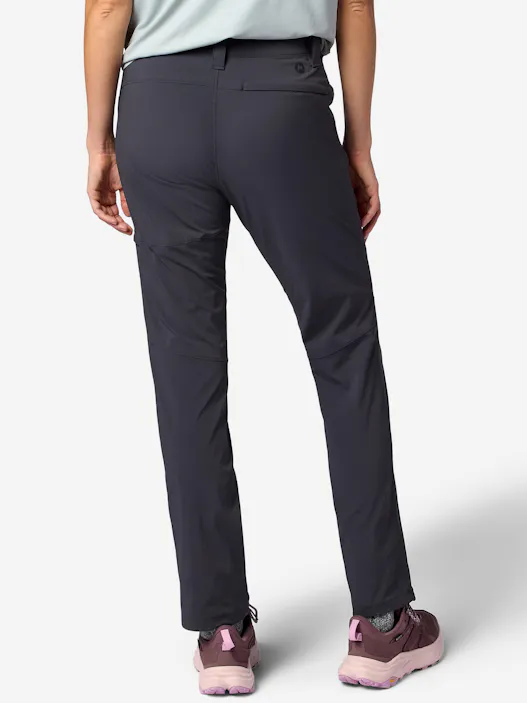


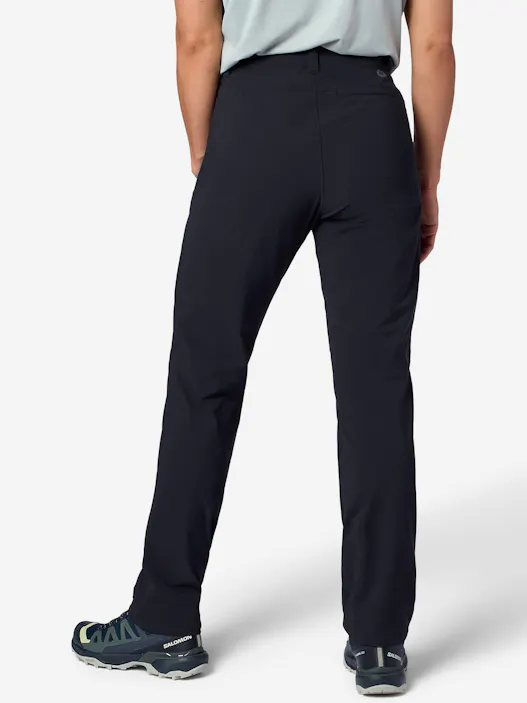


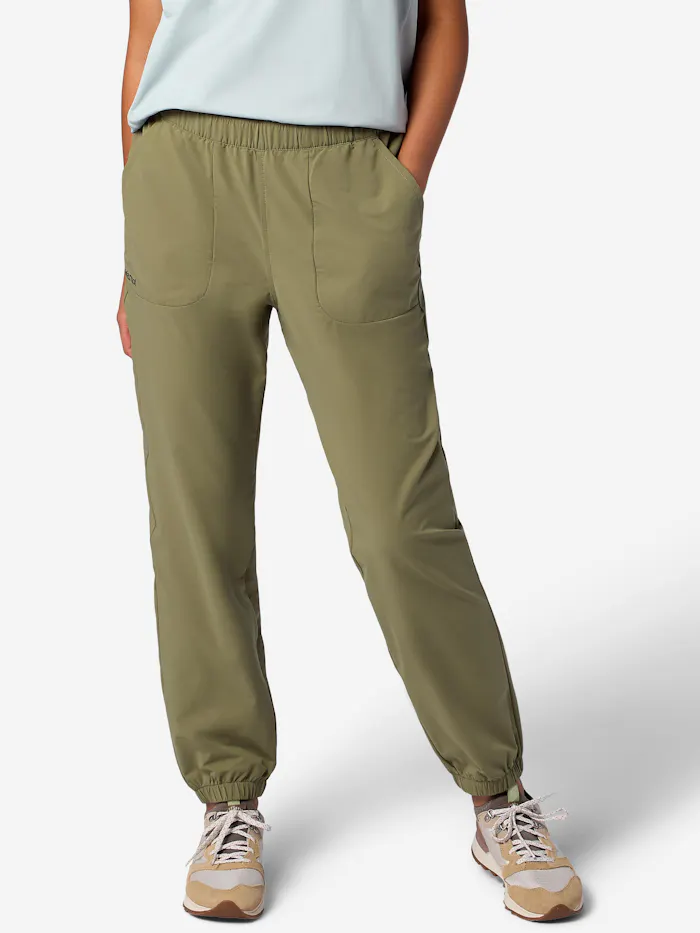
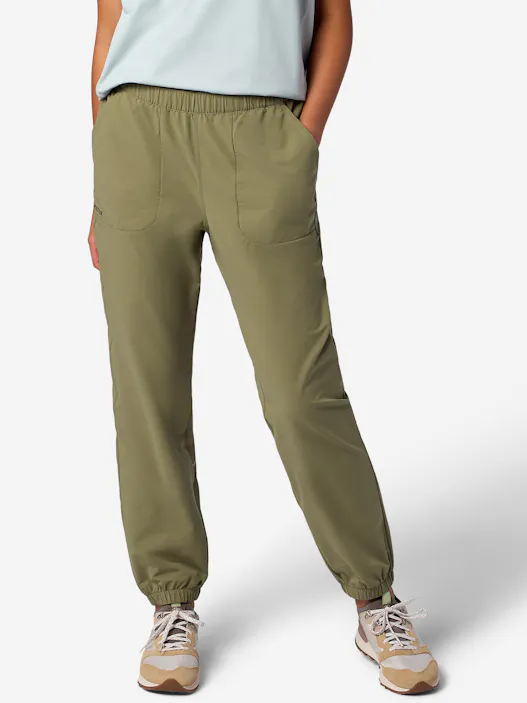


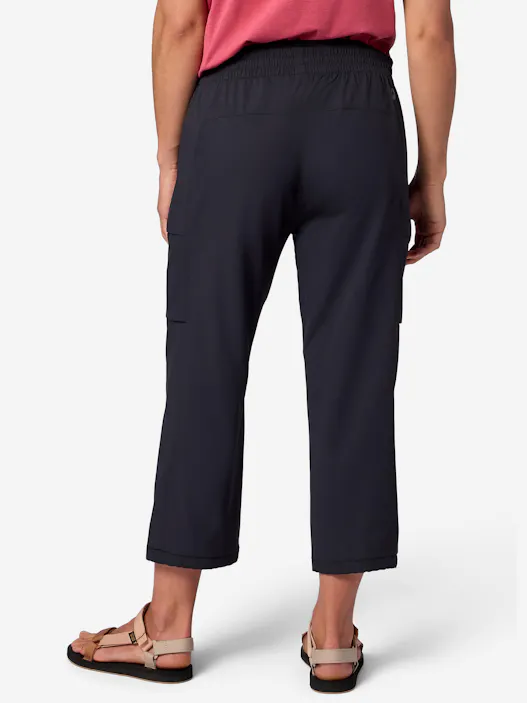
Women’s Hiking Pants for Time Spent on Trail
The way a pair of pants feels at the trailhead isn’t always how it feels a few miles in. Terrain changes, your pack feel heavier, and small details start to matter more the longer you’re out.
Marmot's women’s hiking pants are built with that in mind. Fabric that doesn’t hold you back when you have a steep climb. Materials that hold up when you brush past rock or wade through the brush. A fit that stays consistent whether you’re moving steadily or picking your way through uneven sections.
You may find:
- Women’s pants designed for mixed terrain and changing elevation
- Stretch fabrics that move easily without needing adjustment
- Durable materials that stand up to repeated use outdoors
- Articulated shaping that supports a more natural stride
These are the hiking clothes that feel the same at mile five as they did at the start.
Lightweight Options for Longer Routes
On longer hikes, weight and airflow tend to shape your comfort level. Fabric that holds heat or dries slowly becomes noticeable once the day stretches out.
Lighter hiking pants in this category may include:
- UPF-rated fabrics for exposed sections of trail
- Materials that dry quickly after sweat or light moisture
- Low-bulk construction that doesn’t feel heavy over distance
- Flexible fabrics that move with you as the terrain changes
These are the kinds of pants you keep on without thinking about them much.
Built to Adapt Without Slowing You Down
Routes don’t always stay predictable. Cloud cover changes. The temperature shifts. You move faster, then slow down again.
Women’s hiking pants are built to handle that without needing constant adjustment. Small details tend to make the difference once you’re already moving.
You may come across:
- Convertible designs that adjust when conditions warm up
- Multiple inseam options for a more dialed-in fit
- Fabrics that handle light wind or brief moisture
- Pocket placement that stays accessible on the move
These are the pairs that end up coming with you again and again, because they work the way you expect once you’re out there.
Women's Hiking Pants FAQs: How to Choose for the Trail
How should women’s hiking pants handle steep sections or uneven footing?
They should allow you to step high and shift your footing without resistance. Fabric that moves easily at the hips and knees helps maintain balance when the trail gets more technical.
What should you look for in women’s hiking pants for multi-day trips?
Comfort over time matters most. Pants that dry quickly, stay comfortable under a pack, and don’t need much attention will hold up better across multiple days.
How do you choose hiking pants for routes with changing weather?
It helps to have a pair that can handle light wind or brief rain without needing to be swapped out. Versatility becomes more important when conditions shift throughout the day.
What makes hiking pants comfortable when carrying a pack?
A stable fit at the waist and hips helps once a heavy backpack is added. Pants should sit cleanly under a hipbelt without bunching or creating pressure points over distance.
How do women’s hiking pants perform during long climbs or descents?
Flexibility becomes important on the way up or down. Pants should move easily with each step and not feel restrictive at the knees or seat when navigating uneven terrain.
What should you consider when choosing between different hiking pant styles?
Think about terrain and pace. Some styles offer more durability for hiking through brush or rock climbing, while others feel lighter and more breathable for longer, faster-moving routes.
How do you know if a pair of hiking pants will stay in your rotation?
It’s usually the pair that stays comfortable across different conditions and doesn’t require attention once you’re on the move. If it works without needing adjustment, it tends to come along every time.